My plan is to remove the head and take a look at the state of the pistons before doing anything else on the car - basically the value of classic cars has fallen massively over the last couple of years and if the engine is beyond restoration - then sadly so is the car because these engines are pretty rare. But if I CAN get the engine to move then the restoration is more about building a car that I can enjoy for many years than it being economically viable. So with that sad comment behind me, let’s crack on.
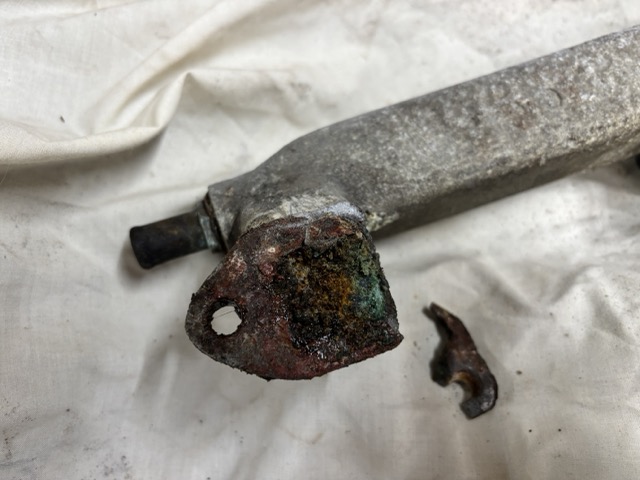
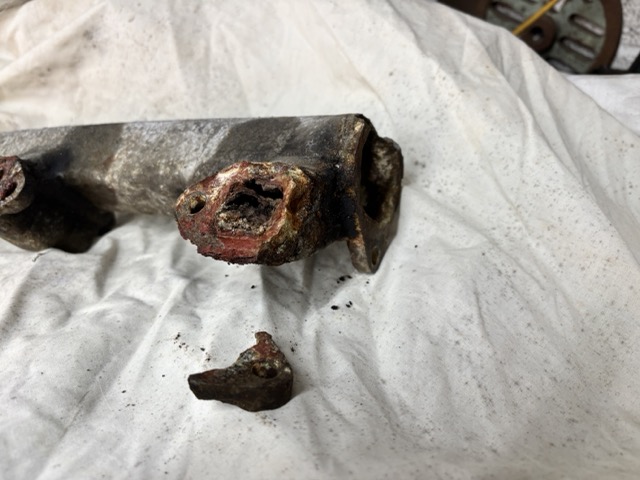
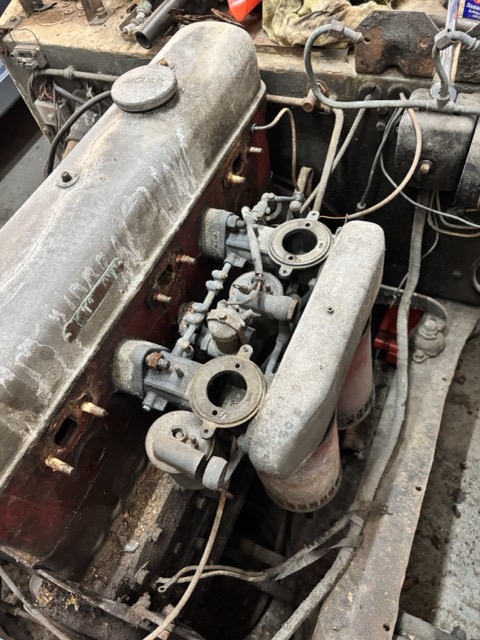
With the casting removed, I can get to the carburetor mounting bolts and as you can see in the picture below; there are 2 carburetors and they are bolted directly onto the cylinder head. This was a prewar design that was later superseded when people discovered that that the speed of the fuel/air mixture into the cylinders made quite a difference to the performance of the engine and so ‘inlet manifolds’ were developed. Between the 2 carburetors is actually a third carb - it is an ‘automatic enrichment device’ or AED. It’s basically an electrical choke used when the car needs to be started from cold and it automatically switches off when the engine no longer needs additional fuel to run.
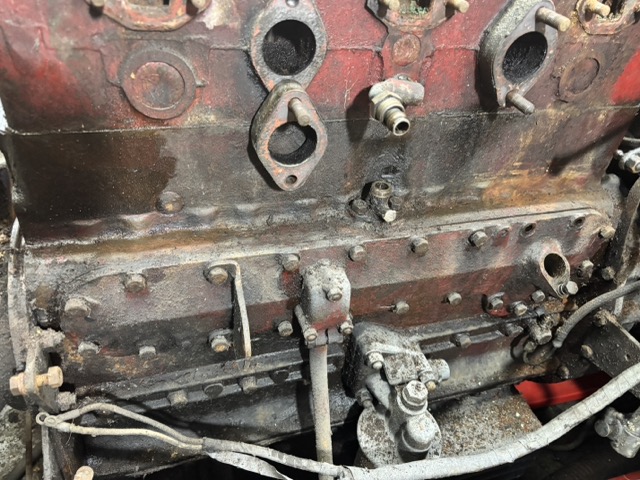
With the carburetors removed that side of the engine block now looks like this:
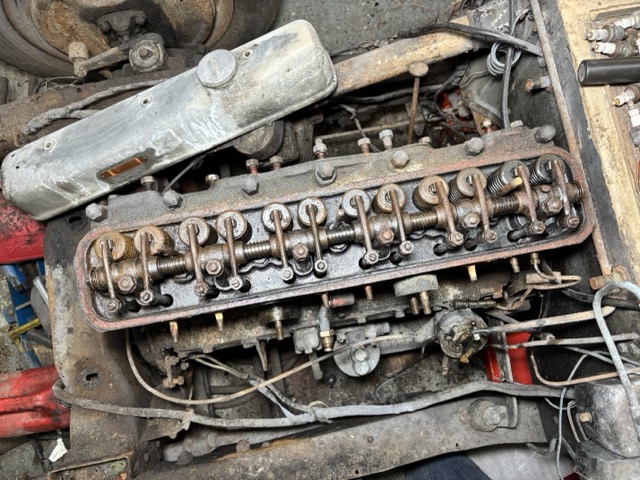
Said learned chappie told me that below the carburetors is a substancial metal plate that the distributor is mounted onto. Substantial was not an overstatement. It is approximately 10mm thick steel...
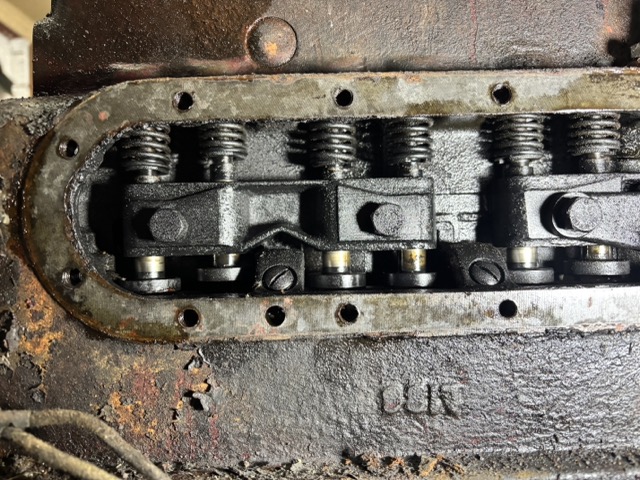
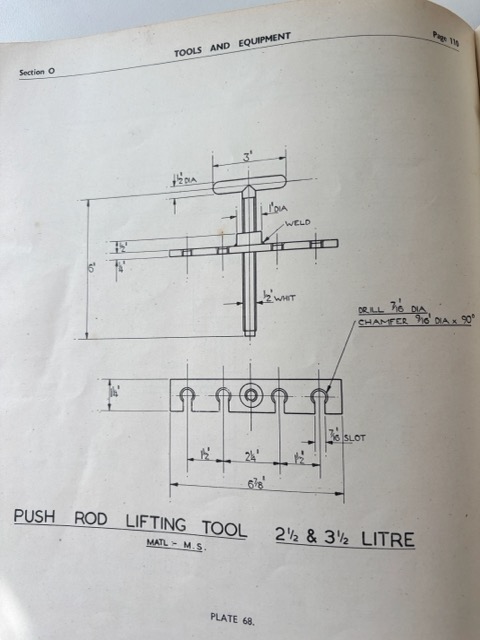
It was at this moment that I thought ‘perhaps the service manual’ has some guidance. 'Service Manual' is definitely an overstatement, it’s more of a Service Pamphlet. A thin paper back book (perhaps 7-8mm thick) that is supposed to tell you how to service EVERYTHING in the car, including how to strip down the engine. So I read the short paragraph that mentions the pushrods. It said ‘Use the tool in section O to remove the pushrods'.
So with a level of excitement I looked at section O. I found this:
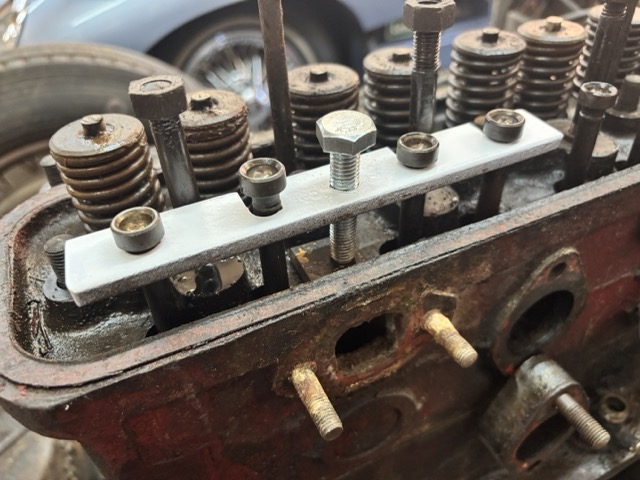
Huzzah.... onwards